MAUNDY THURSDAY
Thursday, April 2, 2026
6:00 - 7:00 pm
4595 Silver Springs Drive
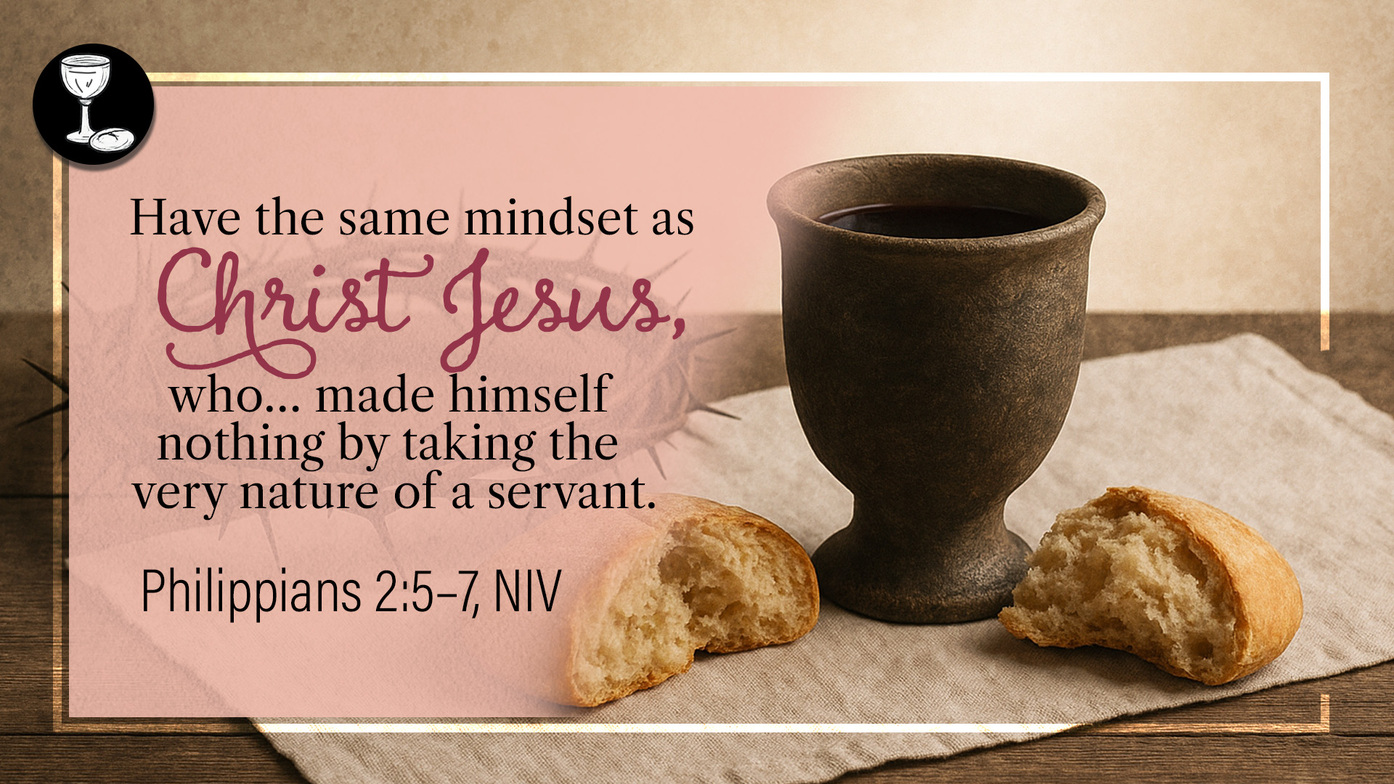
In the Episcopal Church, Maundy Thursday is the holy day that initiates the Paschal Triduum, a three-day period that begins on the evening of Maundy Thursday and concludes at the Great Vigil of Easter on Holy Saturday night. Maundy Thursday commemorates the Last Supper and Jesus' "new commandment" (mandatum novum) to love one another. The name "Maundy" itself is derived from the Latin mandatum, meaning "commandment".
Traditions in the service:
- The Mandatum (Foot Washing): Following the example of Jesus washing his disciples' feet, the priest—and often members of the congregation—participate in a ceremonial foot washing. This acts as a powerful, lived expression of humble service and the command to love others.
- Institution of the Eucharist: The service commemorates the first Lord’s Supper. It is often the last time the Eucharist is celebrated until the Easter Vigil, because Good Friday is a day of mourning that represents Christ's death and the absence of the church.
- The Stripping of the Altar: At the conclusion of the liturgy, all decorative cloths, candles, and hangings are removed from the church in solemn silence while Psalm 22 is often read or chanted. This dramatizes the abanndonment and desolation of Jesus by his disciples and his stripping by Roman soldiers. This year, Seminarian Anne-Marie Eastman will chant the psalm.
- The Watch (All-Night Vigil): Some parishes maintain an Altar of Repose, where the reserved sacrament is kept overnight. Worshippers are invited to keep watch in prayer, reflecting on Jesus' agony in the Garden of Gethsemane. St. Luke's has not practiced this tradition for many years but I would like to incorporate this in the future.
Maundy Thursday is absolutely essential in Holy Week! It serves as the threshold of the Paschal Triduum, marking the transition from the season of Lent into the "Three Holy Days." It is the moment the Church moves from preparation to participation in the central mystery of the faith.
Its Place in the Triduum:
- The Beginning: The Triduum officially begins with the evening liturgy on Thursday. This service is not a standalone event but the first act of a single, continuous liturgy that span three days.
- The Last Supper: It anchors the narrative by commemorating the final meal Jesus shared with his disciples, where he transformed the Passover into the Eucharist.
- The Transition to Darkness: The service ends with the Stripping of the Altar, physically moving the congregation from the fellowship of the table to the abandonment of the Garden of Gethsemane, in preparation for the desolation of Good Friday.
Why It Is Important to Commemorate:
- It Defines Christian Identity: Through the Mandatum (the commandment to love), it reminds the church that its primary identity is one of servant leadership and humble care for others.
My friends, commemorating each part of the Triduum is vital because each day invites you into a different, essential aspect of faith that cannot be fully understood in isolation:
- Maundy Thursday (The Preparation): Focuses on servant leadership through the washing of feet and the institution of the Eucharist at the Last Supper. It establishes the community's bond of love before the coming trial.
- Good Friday (The Sacrifice): Confronts the reality of suffering and death. By standing "at the foot of the cross," worshippers acknowledge the cost of redemption and the depth of God's love shown through sacrifice.
- Holy Saturday (The Waiting): Represents a time of profound silence and "the empty space" left by death. It honors the period Jesus lay in the tomb, allowing for a space of grief and patient waiting before the resurrection.
- The Great Vigil/Easter Day (The Victory): Celebrates the triumph over death. The joy of Easter is most deeply felt when one has traveled through the preceding darkness; without the cross of Friday and the silence of Saturday, the resurrection on Sunday lacks its full transformative power. While The Great Vigil has not been practiced at St. Luke's for many years because of low or no attendance, my hope is that we can educate ourselves and commit to full participation next year.
Together, these days form a spiritual pilgrimage. Attending each one ensures that the celebration of Easter is not just a happy event, but a participation in the entire journey from darkness into light.
Please join me, Reverend Deacons Sandra and Pam, and Seminarian Anne-Marie Eastman this Thursday evening at 6:00 p.m.
Your Sister in Christ,
Ashley+