GOOD FRIDAY
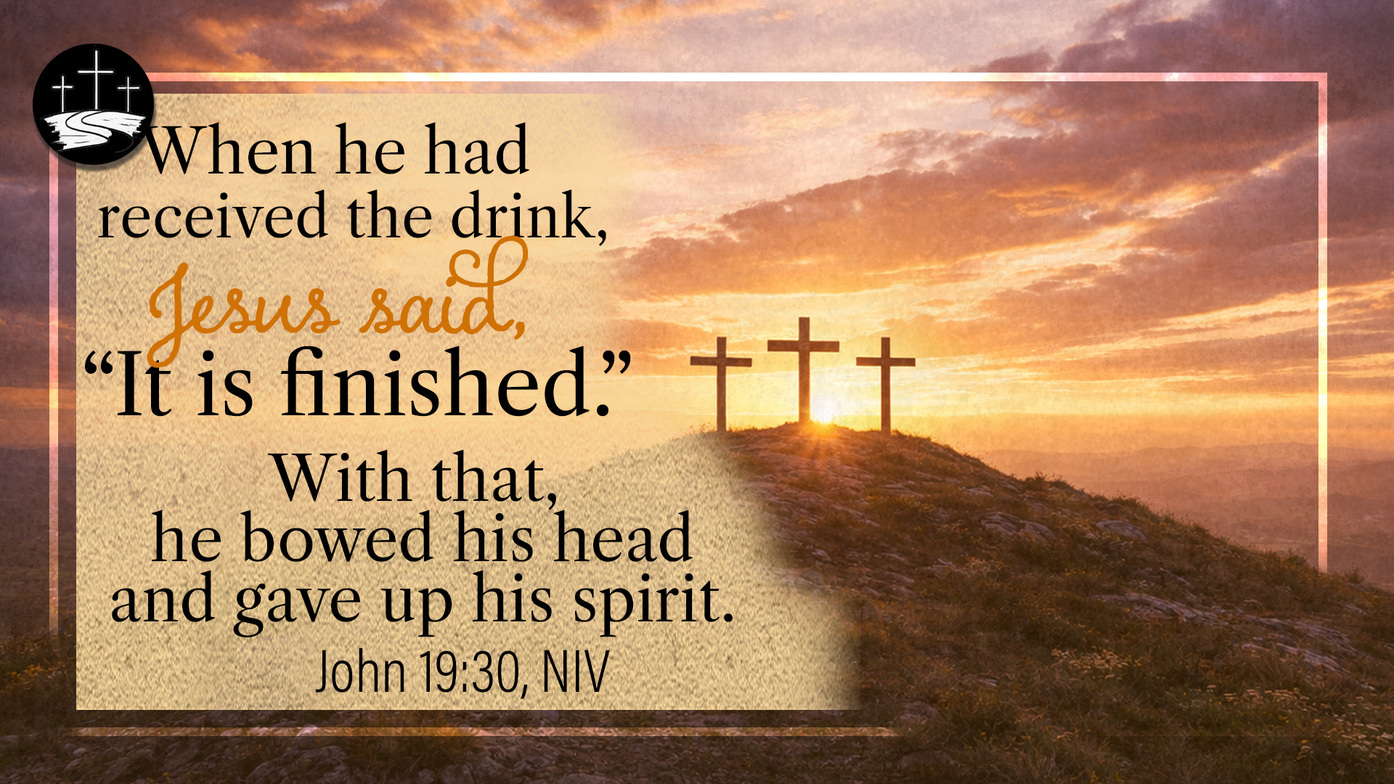
The Episcopal Church celebrates Good Friday to solemly commemorate the crucifixion and death of Jesus Christ, recognizing it as a pivotal act of sacrificial love that led to the redemption and salvation of humanity. The service is rich with stark symbolism: the altar is bare, having been stripped of all linens and decorations the evening before (during Maundy Thursday) to represent Christ’s humiliation and abandonment. Clergy wear black or red vestments to signify mourning or the blood of the martyrs. Worshippers often participate in the Veneration of the Cross, where they approach a simple wooden cross to reflect on the "profound mystery" of the sacrifice, and the liturgy typically begins and ends in profound silence to emphasize the weight of the day. Attending this service is essential because it allows individuals to enter into the full narrative of the Paschal Triduum; by confronting the reality of suffering and death on Friday, the joy of the resurrection on Easter Sunday becomes more deeply felt and meaningful. In other words, Good Friday is the second day of the Paschal Triduum, a three-day period that begins on the evening of Maundy Thursday and concludes at the Great Vigil of Easter on Holy Saturday night (we will learn more about the Great Vigil next week).
- The Solemn Collects: These are some of the oldest prayers in the Western church. The priest offers a "bidding" (an invitation to pray for a specific group, such as the Church, the world, or those in need), followed by a period of silent prayer, and then a concluding "collect".
- The Anthem of Veneration: Often during the Veneration of the Cross, the congregation says: "We adore you, O Christ, and we bless you, because by your holy cross you have redeemed the world".
- The Trisagion: If the Stations of the Cross are used and people move from station to station, you might say the rhythmic chant: "Holy God, Holy and Mighty, Holy Immortal One, have mercy upon us".
- The Lord’s Prayer: This is typically said quiety and reverently, emphasizing the starkness of the day.
- The Concluding Prayer: The service often ends without a blessing or dismissal, with a final prayer asking Christ to set his passion and cross between his judgment and our souls.
- Jesus is condemned to death
- Jesus takes up his cross
- Jesus falls the first time
- Jesus meets his afflicted mother
- The cross is laid on Simon of Cyrene
- A woman (Veronica) wipes the face of Jesus
- Jesus falls a second time
- Jesus meets the women of Jerusalem
- Jesus falls a third time
- Jesus is stripped of his garments
- Jesus is nailed to the cross
- Jesus dies on the cross
- The body of Jesus is placed in the arms of his mother
- Jesus is laid in the tomb
- Maundy Thursday (The Preparation): Focuses on servant leadership through the washing of feet and the institution of the Eucharist at the Last Supper. It establishes the community's bond of love before the coming trial.
- Good Friday (The Sacrifice): Confronts the reality of suffering and death. By standing "at the foot of the cross," worshippers acknowledge the cost of redemption and the depth of God's love shown through sacrifice.
- Holy Saturday (The Waiting): Represents a time of profound silence and "the empty space" left by death. It honors the period Jesus lay in the tomb, allowing for a space of grief and patient waiting before the resurrection.
- The Great Vigil/Easter Day (The Victory): Celebrates the triumph over death. The joy of Easter is most deeply felt when one has traveled through the preceding darkness; without the cross of Friday and the silence of Saturday, the resurrection on Sunday lacks its full transformative power.